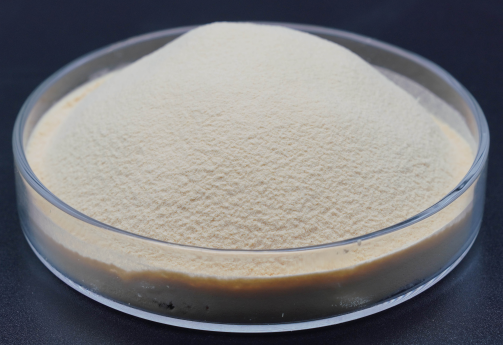
Yeast culture protein
Product Introduction:
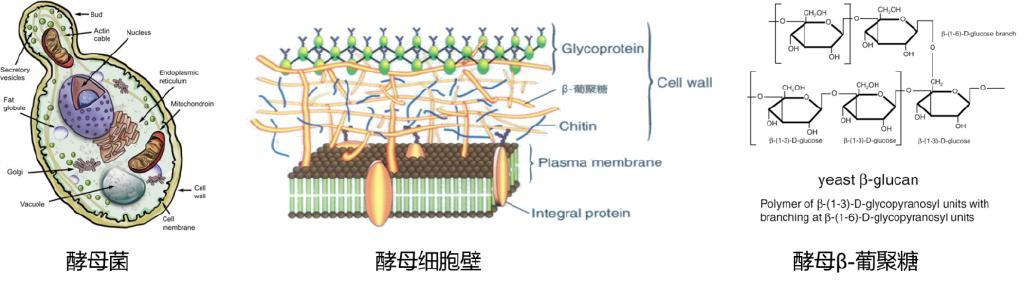
Yeast Culture is produced through precision fermentation and cultivation of high-quality yeast strains. It is a complex system containing dozens of bioactive substances such as rich bioactive peptides, acid-soluble proteins, and β-glucan. These components work synergistically to provide animals with comprehensive care of "nutrient supply + intestinal regulation + immune activation", fundamentally improving the growth status of animals and enhancing breeding efficiency. It is an ideal choice for breaking through breeding bottlenecks and realizing feed upgrading in modern breeding industry, and can be directly added to livestock, poultry, aquatic breeding and pet feeds.
Product Functions:
n Nutrient Supply: Provides rich nutrients such as amino acids, acid-soluble proteins, vitamins, and minerals to supplement the needs of animal growth and meet the nutritional requirements of different growth stages.
n Intestinal Regulation: Improves the intestinal microecological environment, promotes the proliferation of beneficial bacteria, inhibits the growth of harmful bacteria, enhances the digestion and absorption capacity of animals, and reduces the occurrence of intestinal diseases.
n Immune Activation: Enhances the immunity and stress resistance of animals, and reduces the mortality rate caused by environmental changes, diseases and other factors.
Products Specifications:
Item | Protein | Ratio of acid-soluble protein to total protein | Crude Ash | Moisture | Mannan |
YE500 Yeast Culture | ≥50.0% | ≥60.0% | ≤12.0% | ≤9.0% | ≥5.0% |
Packing specification: Powder, 20kg/ bag/ barrel, or Paste, by ton bucket
Product Storage Proposal: Place in a cool, dry place to keep out moisture.
Shelf life: 18 months from the production date without opening.
Quality Certifications:
ISO9001, HACCP, Kosher, Halal, GMP+
Applications:
n Pig Breeding: Adding yeast culture at the piglet stage promotes the increase of intestinal villus length, reduces the diarrhea rate caused by weaning stress, and improves the survival rate during the nursery period; after fattening pigs consume it, the average daily gain is increased, the feed conversion ratio is reduced, and the content of umami amino acids in muscles is significantly improved.
n Poultry Breeding: Adding to layer feed improves eggshell strength, deepens yolk color by 1-2 Roche grades, and extends the peak laying period; after broilers consume it, leg muscle development is more complete, and the incidence of metabolic diseases such as ascites syndrome is reduced.
n Aquatic Breeding: Adding to fish and shrimp feed can enhance the gill mucosal barrier function, improve the survival rate of cultured organisms when water quality deteriorates, promote hepatopancreas development, make the body color of ornamental fish such as koi brighter, and increase the Omega-3 fatty acid accumulation in edible fish such as salmon.
n Special Breeding: Used in pet or special animal breeding, it can improve their intestinal function, enhance the luster and flexibility of fur, and reduce hair loss.
Recommended Dosage:
Category | Recommended Scheme | Expected Effects |
Lactating Piglets | Add 10-20kg/ton | Helps piglets better adapt to solid feed and improve feed intake;No potential safety hazards of animal-derived raw materials. |
Nursery Pigs | Add 8-10kg/ton | Alleviates stress responses during the nursery period and promotes growth. |
Sows | Pregnant sows: Add 5-8kg/ton;Lactating sows: Add 8-12kg/ton | Helps improve the reproductive performance of sows and the health of fetuses;Increases the lactation yield and milk quality of sows, providing adequate nutrition for piglets. |
Poultry | Chicks (0-4 weeks old): Add 6-8kg/ton;Growing chickens and laying hens: Add 4-6kg/ton | Enhances the immunity of chicks and improves the survival rate;Reduces the occurrence of diseases during breeding;Promotes growth;Improves reproductive performance. |
Aquatic Breeding | Seedlings: Add 10-15kg/ton Adult shrimp and fish: Add 5-8kg/ton | Improves the survival rate and stress resistance of fish fry;Promotes growth, enhances immunity, and reduces the incidence of diseases. |
Ruminant Feed | Dairy cows and beef cattle: Add 5-10kg/ton Calves and horses: Add 8-10kg/ton | Promotes the rumen development of calves;Increases the milk yield and milk protein content of dairy cows;Accelerates the weight gain rate of beef cattle and improves meat quality. |
Special Breeding | Pets and fur-bearing animals: Add 5-10kg/ton Bee breeding: Add 10-20kg/ton | Improves the intestinal function of cats and dogs, reducing gastrointestinal problems such as constipation and diarrhea;Adding an appropriate amount of yeast culture to the feed of animals such as foxes, raccoon dogs, and minks can improve the luster and flexibility of fur, reduce hair loss, and enhance fur quality;Provides rich nutrition for bees, enhances the vitality of bee colonies, and improves the yield and quality of honey. |